
An off grid water filtration system is simply a way to make water safe enough to use when the tap stops working or you do not trust the source. It works without mains power, a city pipe, or a well pump running. That is the whole point. Most of them use a filter element, sometimes with a gravity bag, a hand pump, or a straw, to strain out particles and reduce many germs. Some also use chemical treatment or UV, though those are separate methods with their own rules.
Here is the part people often miss. A filter is not the same as a purifier. Many portable filters are rated to remove bacteria and protozoa but do not remove viruses or dissolved chemicals. Check the maker's manual for exactly what your model removes, and if you are relying on it for drinking water, read that list carefully before you trust it.
Think about where you will actually use it. Your kitchen sink, a camp site, or a stream behind the house all call for different gear. A straw style unit like the Sawyer Mini Water Filter - Blue, for example, works well for drinking directly from a container or small bottle, but it is not built to fill a big tank for the whole family. Match the system to the job, not the other way round.
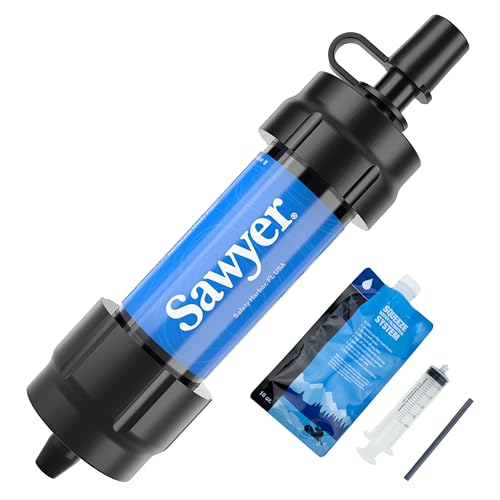
Sawyer Mini Water Filter - Blue
Portable Water Filtration Solution for Outdoor Enthusiasts and Preppers
Product information
Product Review Score
4.78 out of 5 stars
(204 reviews)Product links
Before you buy, ask yourself these quick questions:
- Will I be filtering from a clean container or from questionable source water like a pond or rain barrel?
- Do I need to make water for cooking, or just drink it?
- Can I clean and store the filter easily, since a dirty filter slows down fast?
- Does the manual say how many gallons or liters a filter lasts before replacement?
The short answer is that off grid filtration covers a range of tools, and the right one depends on your water source, your household size, and how much effort you want to put in when things go wrong.
Gravity Filters Versus Pump Systems
Gravity filters and pump systems both get water clean without power, but they work in very different ways. A gravity filter lets water drip or flow down through the element under its own weight. You fill a top bag or container, hang or set it above the bottom chamber, and wait. There is nothing to pump and nothing to wear out in your arms.
A pump system pushes or pulls water through the filter by hand. You work a lever or handle, and the water comes out the other end. It is quicker to start, and you control the flow, but you are the motor. That matters if you need to filter a lot of water in a hurry.

Wild Peak Outdoor Tactical Water Filter Pump
Stay Hydrated and Prepared Anytime, Anywhere with Wild Peak's Tactical Water Filter Pump
Product information
Product Review Score
4.71 out of 5 stars
(96 reviews)Product links
Here is how to decide which one suits you:
- Go gravity if you want to fill a bag once and walk away while it works.
- Go pump if you need water right now and do not mind a few minutes of steady work.
- Go gravity if anyone in the house has trouble with repetitive hand work.
- Go pump if you are filtering from a shallow source where a gravity bag will not fit or reach.
Gravity setups need a height difference to do their job. Hang the top bag from a sturdy hook or a branch at a comfortable height, and set the clean container on the ground below. Keep the bag steady and well clear of anything that could snag or tip it. Do not hang anything heavy from a weak hook, a rotten limb, or a ceiling fixture that was not meant for weight. A full bag of water is heavy, and a fall can cause real injury. Check the maker's manual for the recommended hanging height and maximum fill level.
Pump units tend to have more moving parts. Joints, seals, and hoses can crack or come loose, so inspect them before you need them. Pump filters also often work better with a clean intake, so a bit of pre-filtering with a cloth or coffee filter can keep the element from clogging too quickly. Flow rate depends on the model, so look up the number in the manual and plan your time around it instead of guessing.
Cleaning is different for each. Gravity elements are often backflushed or rinsed by pouring clean water back through them, while pump elements may need to be taken apart. Follow the manual's order exactly, and keep the parts together in a bag so nothing gets lost when it counts.
Choosing the Right Capacity for Your Household
Start by thinking about how many people you need to cover and how much water they use each day. A single person drinking and cooking with a little water for washing up has very different needs than a family of five. Write the numbers down before you shop, because it makes the rest of the decision a lot easier.
Most portable units list a rough output or a total volume the filter can handle before it needs replacing. Look for that number in the maker's manual, and don't rely on the box alone. Those figures usually assume clean source water, so if you're pulling from a pond or a rain barrel, expect the element to wear out sooner. Plan for a bit of extra room in your supply rather than cutting it close.
A few practical questions help you narrow it down:
- How many people will drink from it on a normal day?
- Will you also need water for cooking and cleaning, or just drinking?
- Do you have a second container you can fill and let sit, or will you filter straight into one bottle?
- Can you refill the top bag or chamber often enough to keep up?
For one or two people who mostly need drinking water, a small personal unit or a compact straw style filter can be enough. Once you're feeding a whole household, a gravity system with a larger bag is usually easier, since you can load it once and let it run while you do other jobs. A bigger bag is heavier when full, so be honest about how much you can lift and hang safely.

Portable Reverse Osmosis Water Filter Pump for Outdoor Use
A hand-pumped reverse osmosis filter that turns creek and stream water into something you can drink on the trail.
Product information
Product Review Score
4.53 out of 5 stars
(66 reviews)Product links
If you're buying for a family, consider getting one unit for the main supply and a smaller backup for quick drinks on the move. Keep spare filter elements in the house too, and store them somewhere dry and cool. Filters are a lot less useful the day you realize you have none left.
Pros
- Off grid water filters let you make drinkable water from a stream, lake, or rain barrel when the tap stops running.
- Most of them are small and light enough to toss in a go bag or a car trunk without much fuss.
- You don't need electricity to run a gravity or hand pump filter, which makes them useful during a power outage.
- A portable straw filter, like the LifeStraw Personal Water Filter in Blue, lets you drink directly from a water source with no extra setup.
- Many filter kits can be used again and again, so you aren't buying fresh bottled water every time your supply runs low.
Cons
- Most off grid water filters only remove bacteria and protozoa, so they usually won't deal with chemicals, heavy metals, or salt water unless the model says it does.
- Gravity and squeeze filters can slow down a lot once the filter gets clogged with silt or sediment, so you may need to pre-filter cloudy water first.
- Portable electric reverse osmosis units need a power source to run, which can be a problem during a long outage if you don't have a backup plan.
- Personal straw filters are great for one person on the move, but they are hard to use for cooking or for filling a big container for a whole household.
- Filter cartridges wear out over time and need replacing, so you should check the maker's manual for the rated life and keep spares on hand.
Keeping Your Filter Ready for an Emergency
Your filter only helps in a crisis if it still works when you grab it, so a little care now saves a lot of trouble later. Start by writing down the filter's replacement rating from the manual and the date you first used it. A label on the box or a note inside your go bag works fine.
Store the filter somewhere cool, dry, and easy to reach. A closet shelf or a labeled bin near the door is better than a garage corner that gets hot or damp. Keep the parts together in one bag, including caps, hoses, and any spare elements, so nothing goes missing when the lights are out.
Once a month or so, do a quick check:
- Open the bag and look for cracks, brittle hoses, or loose fittings.
- Make sure the seals and gaskets still look flexible and clean.
- Confirm you have the right spare parts on hand.
- Test the setup with a small amount of clean tap water to make sure it still flows.
Be careful when you test. Hanging a gravity bag or working a pump takes a bit of care. Keep the setup away from stairs, ladders, and anything that could tip, and never test a gravity bag on a hook that is not rated for the weight of a full bag. Keep knives and scissors out of the way when you cut hose or pre-filter cloth, and do not run any unit that is damaged.
Do not let the filter freeze or sit in a hot car or shed, since extreme temperatures can damage the housing and seals. If your unit is electric, like a portable reverse osmosis model, keep the power cord and plug in good shape and store it away from water so you do not create an electrical hazard. Check the maker's manual for the exact storage temperature range, because it varies by model.


