
Water is the one thing your family cannot go without for long, and it is also the thing that goes missing first when a storm knocks out the pipes or a boil notice goes up. Keeping a supply on hand means you are not scrambling at the store when the shelves are already bare.
Tap water usually comes from a utility, and that supply can stop or become unsafe to drink without much warning. A main break, a power outage at the treatment plant, or a boil-water advisory can leave you with a faucet that runs but cannot be trusted. Stored water gives you a bridge for those days, along with the time to figure out what the local situation is.
Think about the everyday uses, too. You need water for drinking, cooking, brushing teeth, flushing toilets when the pressure drops, and cleaning up. If you have kids, pets, or anyone who takes a lot of fluids in hot weather, the numbers climb fast. Counting those uses for your own household is the first real step toward a plan that works.
Plan for where you will keep it. Store containers somewhere cool, dark, and out of direct sunlight, such as a basement shelf or a closet away from the water heater. Heat speeds up the breakdown of plastic and can encourage growth in water that is not treated, so avoid garages and sheds that bake in summer. Keep heavy containers on the floor or on a low, sturdy shelf so they cannot tip onto someone.
Stored water is also a good reason to keep a filter nearby. A filter does not replace a sealed supply, but it gives you a second option if you run low or need to treat water from a new source. The Sawyer Mini Water Filter - Blue is one kind of compact filter people often keep in a bag as a backup, and you should always read the maker's instructions before using any filter so you know what it does and does not remove. Best Long-Term Water Storage Solutions For Families usually combine both a stored supply and a way to treat water when the stored supply runs out.
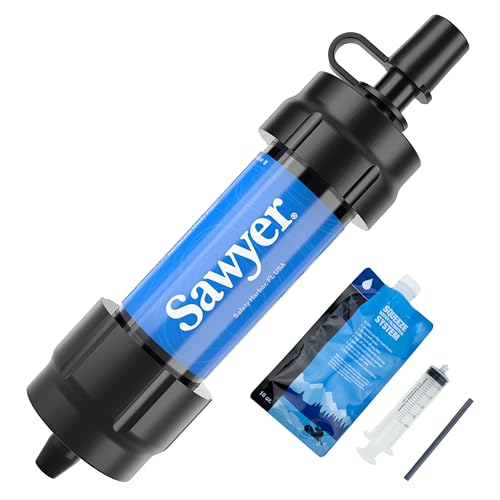
Sawyer Mini Water Filter - Blue
Portable Water Filtration Solution for Outdoor Enthusiasts and Preppers
Product information
Product Review Score
4.78 out of 5 stars
(204 reviews)Product links
Choosing Containers That Hold Water Safely
Not every jug or bottle is built for holding water for months. Food-grade containers are made to store drinking water, and that's the category you want. Look for the words "food grade" or "for drinking water" on the label or in the product description. If you can't find that wording, check the maker's manual or ask the seller before you fill anything.

Philips GoZero Everyday Water Bottle with Filter
Filtered Water on the Go: The Philips GoZero Everyday Water Bottle
Product information
Product Review Score
4.34 out of 5 stars
(190 reviews)Product links
Pick containers that are opaque or dark colored. Light lets algae grow, and a clear jug sitting near a window can turn cloudy green in a few weeks. Thick, smooth-walled containers with a tight screw-on cap are easier to keep clean than thin ones with cracks or ridges where grime can hide. Check the cap gasket too. A loose cap is a common reason stored water slowly leaks away.
Stay away from containers that once held chemicals, motor oil, pesticides, or anything else that isn't food. Even after a good rinse, residue can soak into the plastic, and you won't be able to see it. Used milk jugs are tempting, but they're thin, they let light through, and they often can't be sealed well for long periods. A new container made for water storage is the safer buy.
Size matters for handling as well as storage. A five-gallon jug is heavy once it's full, so think about who will lift it and where it will sit. Smaller containers are easier to move and rotate, and they're less likely to cause a back strain or a dropped jug on a foot. Mix a few sizes if you can.
Before you fill anything, wash the container with unscented dish soap and warm water, rinse it well, and let it air dry. Label each one with the date you filled it. Writing that date on the container, not in your head, saves a lot of guessing later.
How Much Water Your Family Really Needs
Start with a simple rule of thumb. Many emergency guides suggest about one gallon of water per person per day, and a two-week supply is a common target. Your local emergency management office or public health website may give different numbers based on your climate and the risks where you live, so check those before you lock in a goal.
Here's how to figure out your own number:
- Count everyone who lives with you, including anyone who visits often.
- Multiply by the number of days you want to cover.
- Add a separate amount for pets, based on what their bowls and daily routines actually use.
- Write the total on a sticky note inside your storage cabinet so you remember it.
Hot weather and hard work push the numbers up, so plan a bit extra if you live somewhere with long summers or if someone in the house spends a lot of time outside. A gallon of water weighs about 8.3 pounds, so a family plan with two weeks of water can add up to a lot of weight in your home. Spread containers across a few spots instead of stacking them in one corner, and keep the heaviest ones low.
Pre-packaged emergency water can fill part of the gap, especially if you don't have room for a full stash. The S.O.S Emergency Drinking Water, 62 Packets, 5-Year Shelf Life is one example from this store. Check the packet count against your total, and don't assume it covers a full two weeks for a big family. Keep it as one piece of the plan, not the whole thing.

S.O.S Emergency Drinking Water, 62 Packets, 5-Year Shelf Life
Sealed sachets of emergency drinking water that sit quietly in a bag until you need them.
Product information
Product Review Score
4.55 out of 5 stars
(203 reviews)Product links
Review your number once or twice a year. Kids grow, households change, and a new pet can shift the math. When you rotate your stored water, recount everyone and update the sticky note. That small habit keeps your plan honest.
Pros
- Long-term water storage gives your family a backup supply for when the tap goes out after a storm, a pipe break, or a boil-water notice.
- Pre-packaged emergency water, like the S.O.S Emergency Drinking Water packets with a 5-year shelf life, means you don't have to remember to rotate jugs every few months.
- Storing water in sealed, food-safe containers keeps it separate from the everyday tap, so you know exactly what you have on hand.
- Filters add a second layer of options, so you can make water from a creek, a rain barrel, or a questionable tap safer to drink when your stored supply runs low.
- A mix of stored water and a portable filter is easy to pack up and take along if your family has to leave home in a hurry.
Cons
- Stored water goes bad over time, so families have to rotate supplies and check dates on containers now and then.
- Large water barrels are heavy and bulky, which makes them hard to move and tricky to fit in a small home.
- Bottled emergency water takes up a lot of shelf space, and a big family can go through it faster than expected.
- Filters only handle what they are rated for, so they will not make every water source safe, and cloudy or heavily contaminated water may need pre-treatment.
- Storage containers can leak or crack if they are stored in heat, freezing spots, or in direct sunlight, so the storage spot matters a lot.
Keeping Stored Water Fresh and Ready
Keeping stored water in good shape is about more than just the jug. Water sitting still for months can pick up a stale taste, and sometimes a film, if the container isn't kept clean and sealed. A few simple habits make a big difference.
Start by checking your containers every month or two. Look for cloudy spots, a slimy feel on the inside walls, cracks near the cap, or a damp ring under the jug. Give the cap a firm turn and make sure it's snug. If you find a jug that looks off, pour it out rather than trying to save it.
When you refill, use a clean funnel or pour spout and keep your hands and surfaces as clean as you can. Bacteria love grime, so a dirty funnel can undo all the careful prep. Keep the funnel and any hose you use in a sealed bag between uses so dust and pet hair stay out.
Stale-tasting water is a common complaint, and it's usually a sign that air or light got in. Some people like to pour water back and forth between two clean containers to add a bit of air and freshen the taste. Others just let it sit a day in the fridge, which helps the flavor settle. Both are preference choices, so try one and see what you like.
Keep a simple log on the wall or inside a cabinet door. Write the fill date, the container size, and the spot where it lives. When a date gets close to your rotation point, move that water into everyday use and refill the jug with fresh water. Just be sure you're following the maker's instructions for any stored-water product you buy, since rotation timing can vary from one product to the next.


